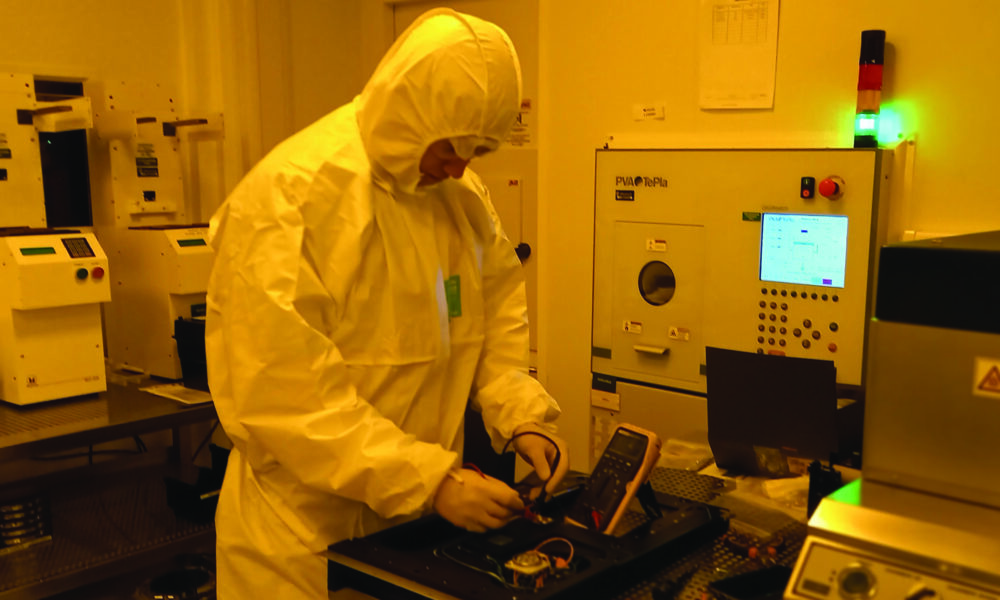

Apprenticeships have traditionally been seen as an alternative to university. But, in reality, they offer so much more.
They provide young people with the opportunity to earn a salary while gaining invaluable hands-on experience in their chosen field – all without accumulating academic debt.
Meet Harri Green, mechanical and electrical apprentice engineer.
Harri’s spent the past few years building his engineering career at IES, learning from some of the most knowledgeable professionals in the industry.
His apprenticeship has given him the chance to work on complex semiconductor and medical tools, install and upgrade high-tech equipment, and gain extensive industry experience.
He has even had the chance to help out behind the scenes on HP installation, de-installation and upgrade jobs, helping to ensure all boxes are audited and replenished and ensure efficiency on site.
We sat down with Harri to discuss his apprenticeship journey, the lessons he’s learned, and where his future is headed.
Choosing the apprenticeship route
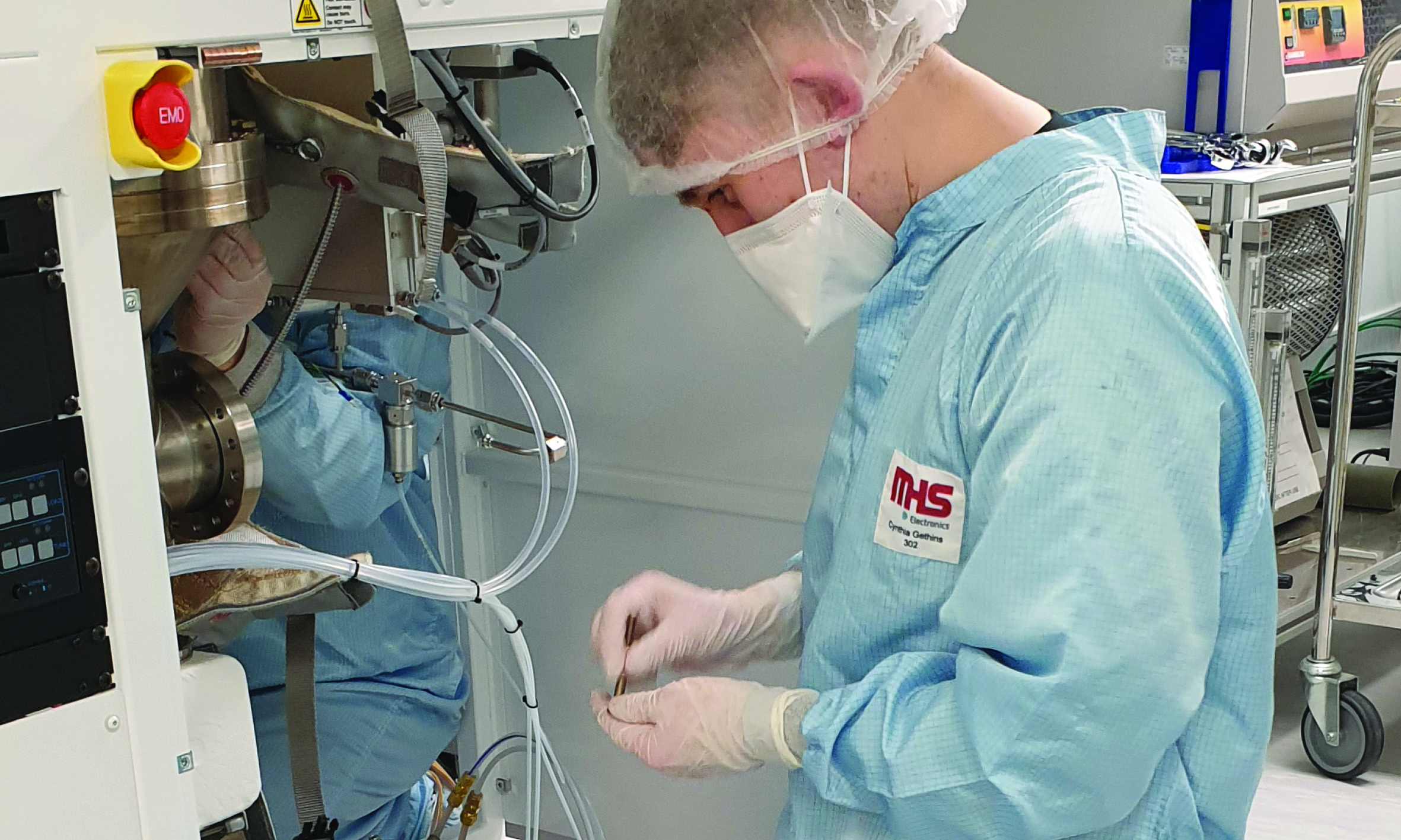
For Harri, an apprenticeship wasn’t just a career choice – it was the smartest way to learn.
“Being in a classroom was never me,” Harri explains. “I couldn’t just sit there and learn the theory side of it the whole time. But with an apprenticeship, I get real experience in the workplace, and also get paid while learning.”
After initially starting a Level 2 engineering qualification at college, he ended up seeking out an apprenticeship that suited his interests and career aspirations. “And it actually provided better qualifications than what I was originally aiming for,” Harri adds.
Harri transitioned into a working environment that enabled him to apply his knowledge in a real-world setting while continuing his studies and achieving Level 2 and Level 3 diplomas in advanced manufacturing engineering.
A day in the life of an apprentice
No two days are the same in the life of an engineering apprentice.
Harri’s role exposes him to multiple different areas and departments within IES and the semiconductor and medical industries.
“It depends on what work I’m scheduled for that week,” he explains. “Some weeks I might be working away on service jobs or installation projects, while other times I’ll be in-house, auditing and replenishing job boxes for HP press installs and upgrades or completing service work on site.”
This variety has provided Harri with a broad skill set, from working on complex semiconductor tools to understanding the intricate details of electrical and mechanical systems.
“One job I did recently was decommissioning and de-installing a chemical machine polishing tool from a customer site,” he explains. “We had to ensure all the lines had been completely flushed of residual chemicals, that electrical connections were disconnected and that we’d de-installed the tool in a way that made it easy for the team on the other side to re-install it.”
It’s not a walk in the park
Apprenticeships aren’t always easy – they demand perseverance and adaptability. But for Harri, the challenges he’s faced have only made him stronger.
“At the start of my apprenticeship, I’d go into a cleanroom, see these fascinating tools and not really know how they worked or what they did,” Harri says. “But working with experienced engineers within the cleanroom has passed on a lot of knowledge to me.”
But beyond technical challenges, apprentices are also tested in other ways.
“A lot of engineers like to test you,” Harri explains. “They’ll give you a task, then later ask you to explain exactly how you did it. So they can test whether you’ve fully learned and understood it or not.”
Another major hurdle? Confidence.
“I think a lot of young people in apprenticeships can struggle with confidence,” Harri says. “Having to complete tasks independently on site or if there’s a customer around can be really daunting. But over the years, I’ve really become better at working on my own and having confidence in myself.”
Being thrown in the deep end – and loving every second
One of the things Harri loves most about his apprenticeship is the opportunity to apply his learning in practical, hands-on scenarios.
Whether it’s working on preventative maintenance for complex machines or problem-solving technical issues, every day offers a new challenge and opportunity to learn.
“On certain jobs, I’m still going straight into the deep end, even though I’ve got the practical knowledge,” he explains.
In many ways, Harri feels that being thrown into real-world scenarios, rather than just learning theory, has developed his confidence and skills in ways that traditional education couldn’t.
“Another thing I love about the apprenticeship is the problem-solving element,” Harri adds. “So, going onto a site, being faced with an issue, and figuring out how to resolve it.”
Finally, being surrounded by experienced engineers has been instrumental in shaping his career.
“The thing I love the most about the programme is getting to work alongside experienced engineers,” Harri says. “It inspires me to work harder and grow my knowledge, so I can complete more tasks and jobs as I go on.”
A bright future ahead
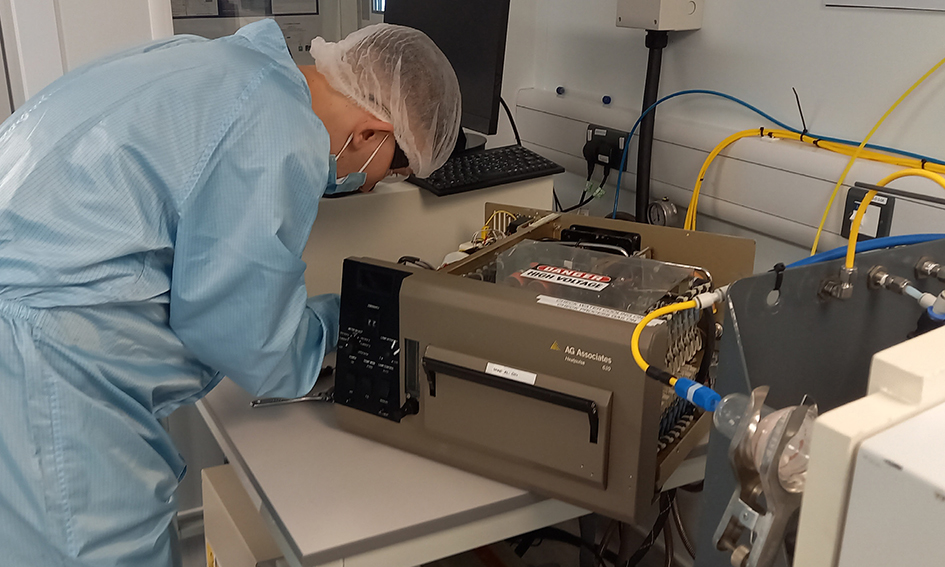
As Harri approaches the end of his apprenticeship, he feels well-prepared for a successful career in engineering.
“An apprenticeship is a lot of hard work,” he says. “But I’ve learned a lot. I’m competent in various engineering areas. And I’m confident I’ll have a lot of work to complete and learn from in the future.”
So, would Harri recommend applying for an apprenticeship?
The answer is a resounding yes.
“I’d encourage anyone to apply,” Harri says. “Not only does it give you the qualifications and experience you need, but it also helps you grow on a personal level.”
Thinking about applying for an apprenticeship? Here’s Harri’s advice:
Know what you’re signing up for: “It’s easy to overlook the details, but make sure you know exactly what work you’re doing and what qualifications you’re getting out of it.”
Listen more than you speak: “The people around you have a lot of knowledge to share. You’ll learn more by listening.”
Kickstarting engineering careers
Harri’s journey shows us just how powerful apprenticeships are – not as an alternative to traditional education, but as a kickstart to a thriving career full of exciting new opportunities.
As National Apprenticeship Week draws to a close, we might consider that companies who nurture the industry’s grass roots will surely reap the benefits of their growth.