
By Antonio Guillermo Jara Ponce, Global Sales Manager Europe, HRS Heat Exchangers
A new report by Guidehouse for the European Biogas Association (EBA)1 reveals that by 2030 Europe (the EU-27, the UK, Norway and Switzerland) has the potential to produce 34-35 billion cu. m. (bcm) of biomethane, but more importantly that with the right support and infrastructure, this figure could almost quadruple by 2040 to 116-132 bcm.
Despite the huge potential and environmental benefits of biogas (including renewable energy, sustainable waste management, soil health and green CO2), the report reveals that biogas production across Europe is currently below what is achievable with existing resources, at around 22 bcm of biogases, including 5 bcm of biomethane2.
Launching the report, Harmen Dekker, CEO of the European Biogas Association, commented, “Europe has the resources to scale up biomethane, but deployment is being held back by persistent regulatory barriers. Without a stable and coherent policy framework, the sector cannot scale at the pace required to deliver on Europe’s energy and climate objectives.”
While appropriate policies and political momentum are required to reach this potential, there is also a strong need for reliable and proven technologies to boost the operational efficiency of biogas plants and increase the value of their multiple outputs, including digestate and energy. The detail of the report shows that the highest potential for biomethane production in 2040 comes from Spain (c. 13.2 bcm/yr), followed by Germany (c. 11.1 bcm/yr), France (c. 10.8 bcm/yr), Poland (c. 6.8 bcm/yr), Italy (c. 64. Bcm/yr) and the United Kingdom (c. 6.1 bcm/yr).
However, while sustainable feedstock production and sourcing (including using and restoring marginal and contaminated land as assessed in the report) are obviously crucial to achieving these figures and reducing Europe’s exposure to fossil fuel shocks, such a large increase in biogas production also requires optimising output and efficiency at every stage of the production chain, including maximising energy use and minimising waste.
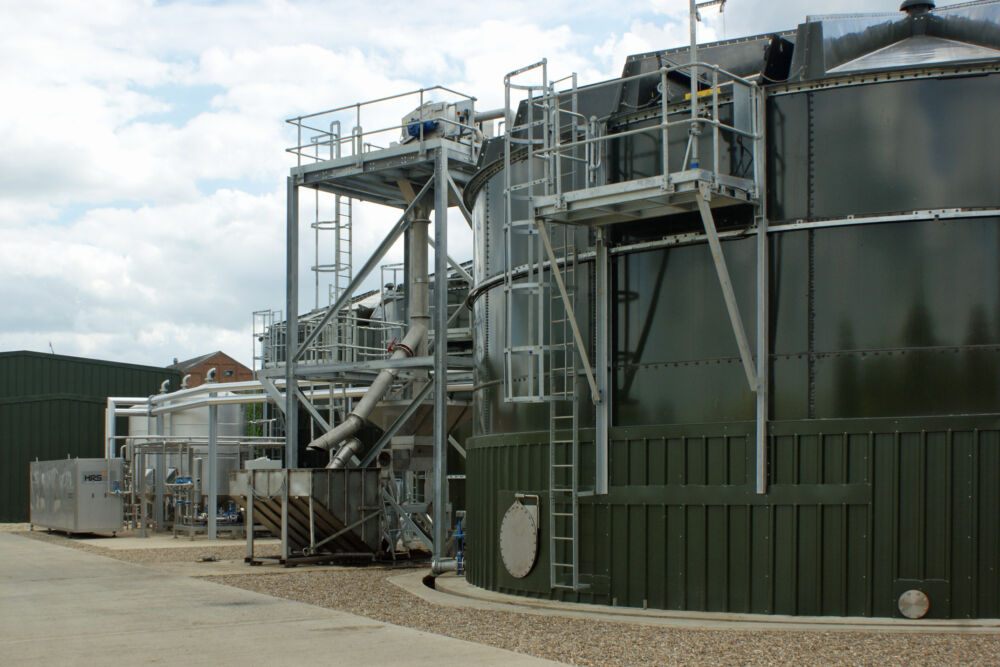
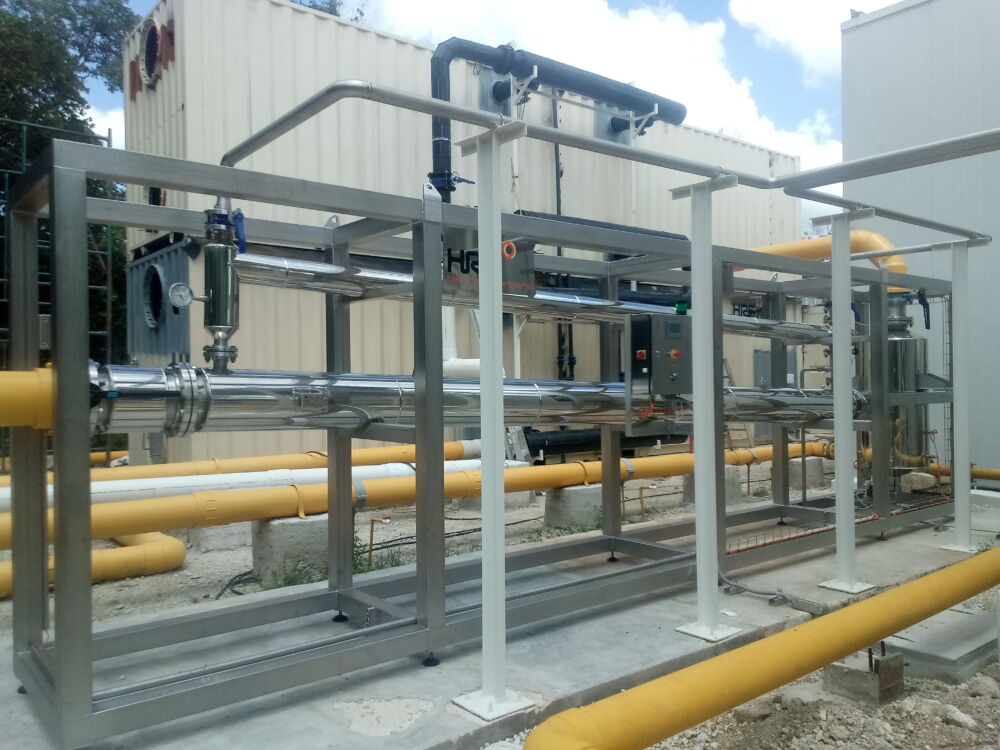
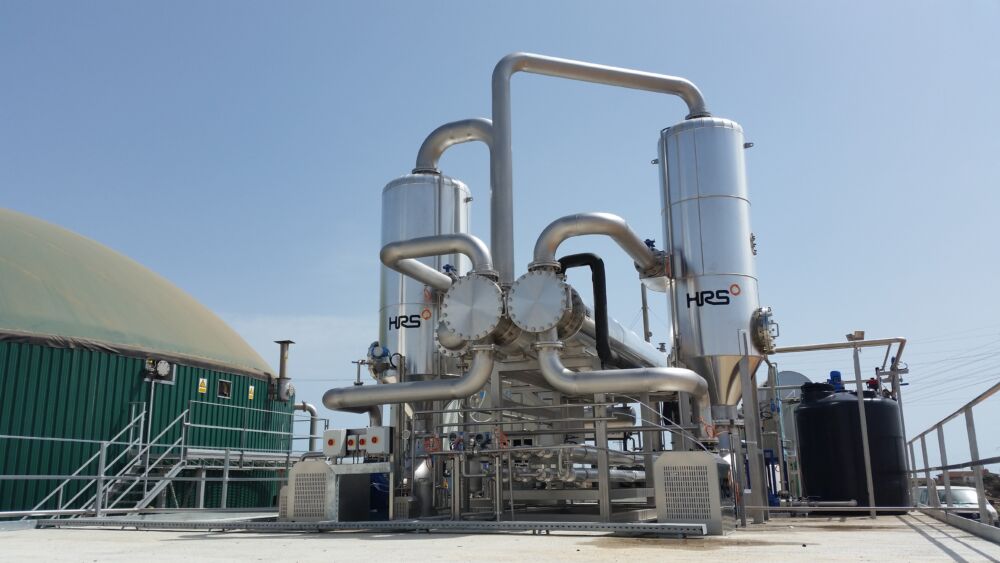
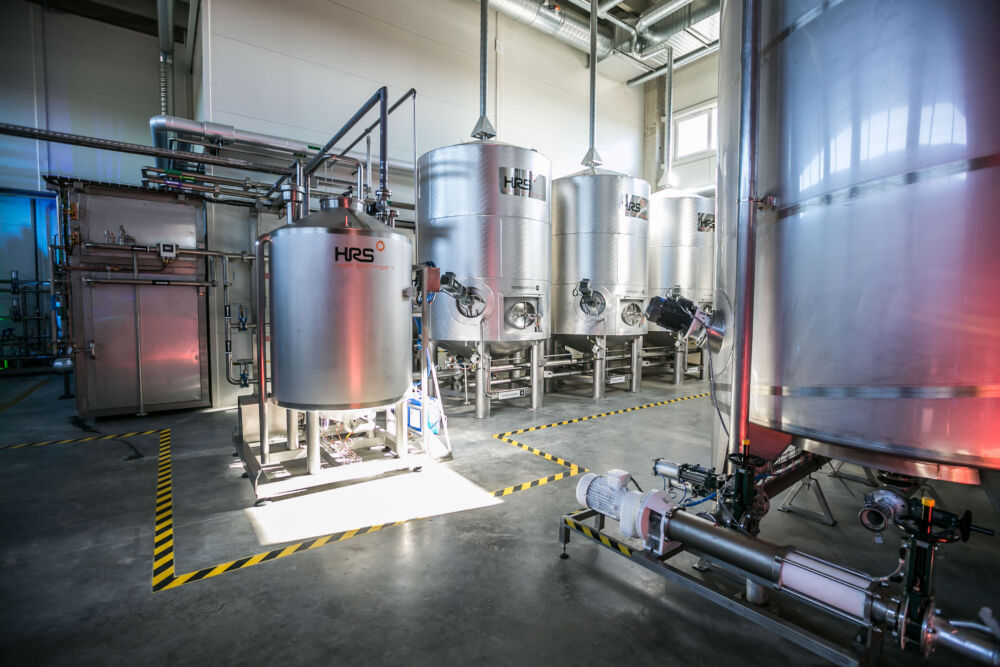
HRS Heat Exchangers has an extensive range of heat exchangers and systems for the anaerobic digestion (AD) and biogas sector which recapture energy which would otherwise go to waste, utilising it for activities including digester heating, digestate treatment, biogas dehumidification or exhaust gas heat recovery.
As well as solutions for digester heating and exhaust heat recovery, the company offers specialised systems including the HRS Biogas Dehumidification System (BDS); the HRS Digestate Pasteurisation System (DPS); and the HRS Digestate Concentration System (DCS).
From single HRS DTI Series heat exchangers for external digester heating, to multi-unit systems comprising more than 380 different heat exchanger modules, we can help the smallest or largest plant to meet legislation (such as PAS 110 & Class A Biosolids) or improve operational and thermal efficiency. Whether starting with a new plant build or upgrading an existing facility, HRS systems have been installed in agricultural, sewage treatment, food waste and landfill biogas plants around the world. To learn why, and discover the benefits for yourself, please contact us today.
1 EBA (2026), Biogases: Europe’s overlooked path to energy independence? Available at https://www.europeanbiogas.eu/publication/biogases-europes-overlooked-path-to-energy-independence/
2 EBA Statistical report 2025 Available at https://www.europeanbiogas.eu/publication/eba-statistical-report-2025/