What does it take to design and build a reliable, efficient tubular heat exchanger? In this article, we reveal how HRS Heat Exchangers’ team of engineers, designers, electricians and project managers turn an initial enquiry into a finished, bespoke product, perfectly suited to their client’s needs.
From initial enquiry
Most projects begin with an initial enquiry. This may come from an existing or past client, perhaps with a good technical understanding of the equipment they require, or may instead be a new business with minimal experience and a material that they need to heat, cool or process thermally. One thing that new clients may not always realise is that every single HRS project is completely bespoke and designed from the outset to offer the optimum solution to meet the client’s requirements.
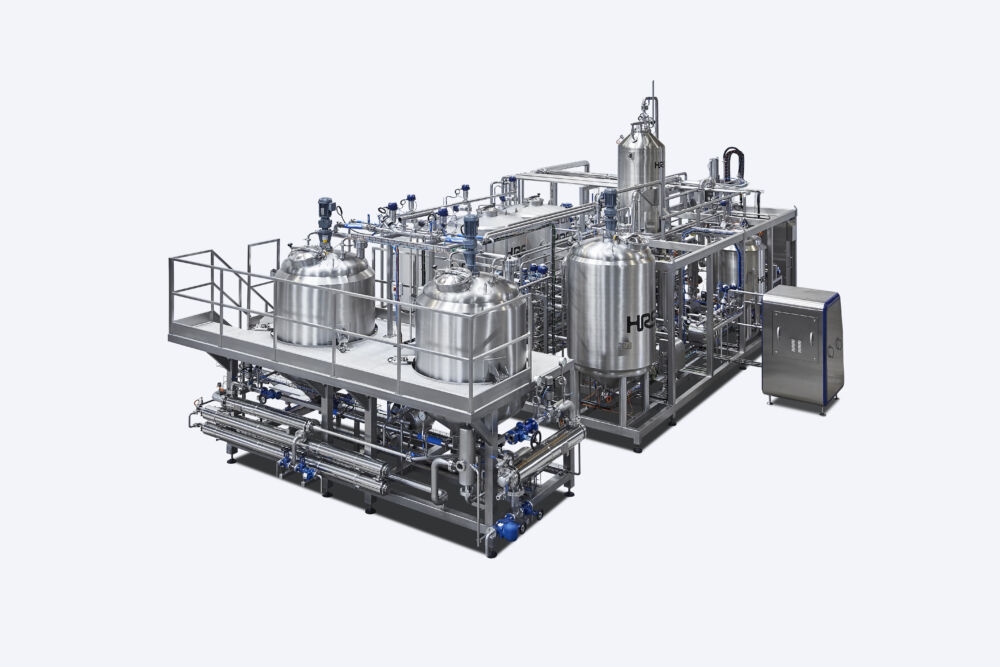
Once a project manager has been assigned, they work with the client to fully specify the project and, if necessary, analyse the product/s being handled to understand how they will behave under different physical, environmental and thermal conditions and may include trials using our equipment at the nearby National Technological Centre for the Food and Canning Industry (CTNC). This is a vital step which ensures that important product quality parameters are maintained, and that thermal processing is carried out effectively. The project manager is ultimately responsible for everything involving that order, including budget and delivery, timescales and testing, providing consistency to the client throughout the process.

State-of-the art thermodynamic modelling and design systems are then used to design the system, usually starting from an established type of tubular or scraped surface heat exchanger (for example, the AS Series of annular tube heat exchangers or the Unicus Series of reciprocating scraped surface heat exchangers) or one of HRS’s dedicated thermal processing systems.
This design considers parameters such as the service temperature, available space, and required thermal change and duration. The exact configuration, including ancillaries such as pipework, pumps, holding tanks, etc. are also determined. At this point, any specific requirements in terms of component choice or interface are also incorporated.
Complete customisation
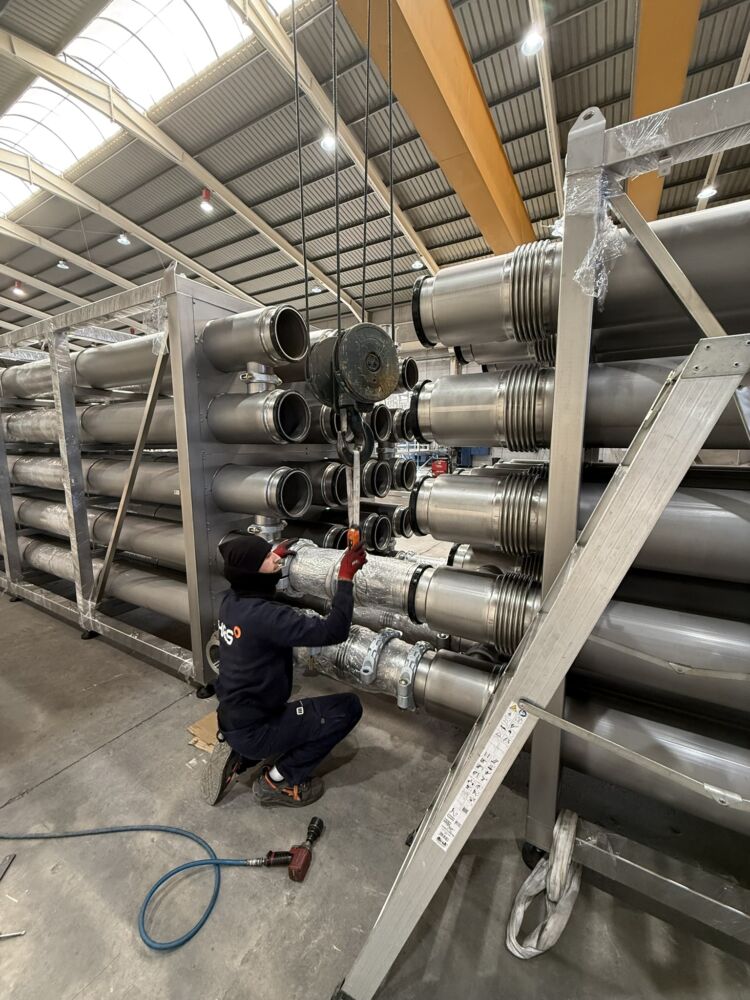
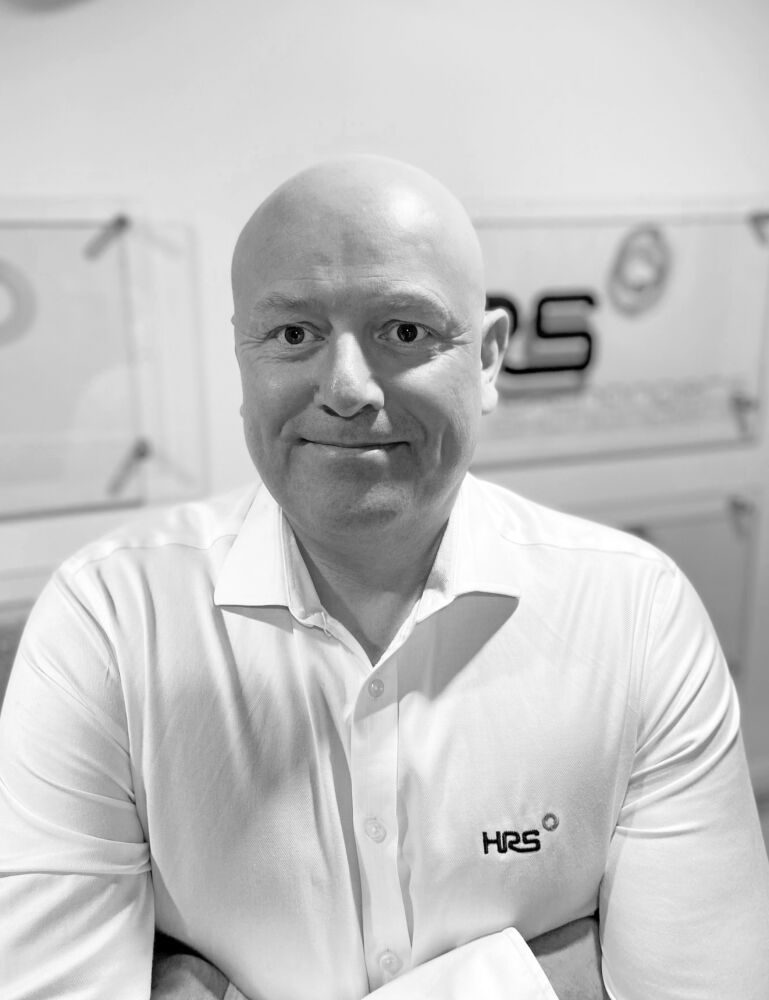
“Even when based around one of HRS’s standard heat exchanger types, aspects such as size, heat transfer, pressure drop, orientation and more will be carefully calculated for each individual job, meaning no two units are ever the same,” explains Matt Hale, Global Key Account Director at HRS Heat Exchangers. “There are numerous benefits for our clients from this kind of approach. Not least, the fact that they aren’t paying for features they haven’t specified or don’t need. It also means they get a solution which is designed to fit into their existing lines in terms of both physical size and connections. Clients shouldn’t have to adapt their equipment or processes beyond what is normally expected to facilitate the installation of a new system.”
“Each customer can recommend, or directly ask for, a particular brand of component or certain materials,” adds HRS Operations Director Marcos Antonio Alarcón González. “As a manufacturer, this can create headaches, but it is also one of our major selling points. Nearly every order is different to what we have done before, and these challenges and the need for creativity are what our engineers thrive on.
“For example, if a client needs to pasteurise 8,000 kg of product per hour, we will supply them with a unit to do just that. Not one unit to pasteurise 10,000 kg or two 5,000 kg units, just because they happen to be what we manufacture. Instead, we adapt our designs to each client, even splitting and interconnecting modules in different locations if necessary.”
Manufacturing and delivery
This flexible approach also means that delivery times are often shorter than the industry standard, thanks to forward planning by the design and procurement teams for the sourcing of external components, such as pumps and control systems.

Antonio Alarcón González
“We try to overcome delays with third-party suppliers by pre-ordering components so we can meet our overall target timescales for a project,” explains Marcos. “Once the design drawings are complete, we produce a materials list, which goes to the purchase department who buy all the components necessary, which are then delivered directly to the workshop with the drawings ready for manufacturing.”
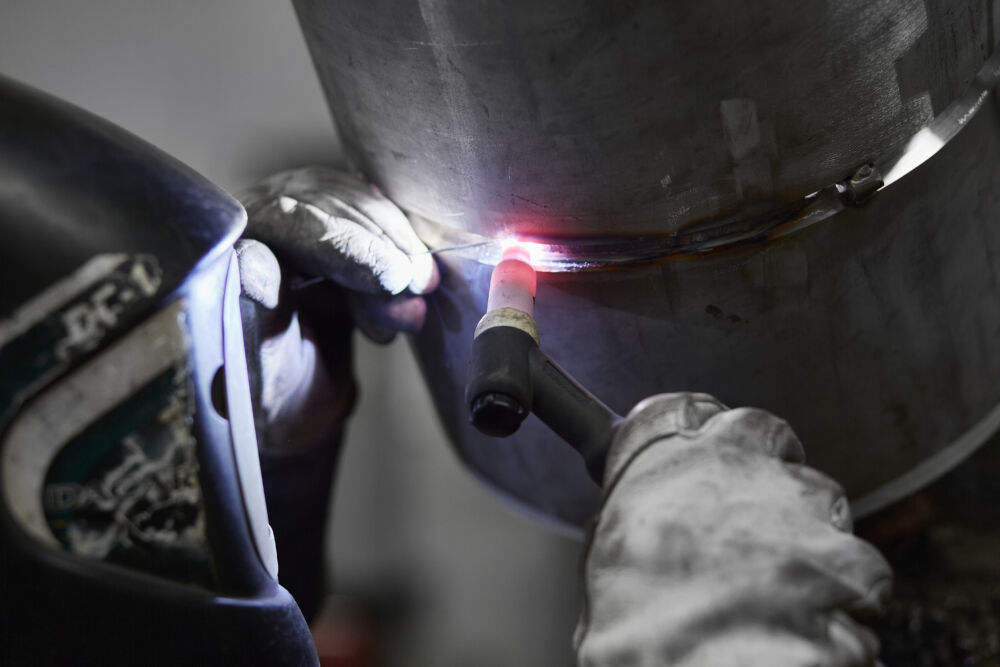
In the factory, detailed quality systems ensure inspections are carried out at every stage, from selecting the correct materials and producing the corrugated tube profiles that are responsible for the high efficiency of HRS’s heat exchangers, through to the inspection of welds, electronics and pressure testing.
“Once the final unit has been assembled and tested, then we move to the delivery phase,” adds Matt. “Where necessary, smart technology and remote connections allow processes such as design sign-off, Factory Acceptance Testing (FAT) and even commissioning to be managed remotely, saving time, money and carbon emissions. Of course, there are situations when an in-person visit is necessary, and our experienced team are used to working across a wide range of business environments around the world.”
at HRS Heat Exchangers
Units are carefully dismantled for shipping and delivery before being reassembled and installed on site. Some clients prefer to use their own engineers for installation and commissioning, and in some cases the HRS equipment is supplied as part of a larger project delivered by a subcontractor. Other clients may want a complete turnkey installation process.
“Just as every heat exchanger or system we produce is bespoke to that situation, we apply the same approach to delivery, installation and testing,” continues Matt. “From providing advice on cleaning and maintenance, using telemetry or remote virtual inspection for snagging, or simply discussing ways to improve the operation and efficiency of our equipment and systems, the way we work on every project is slightly different.”
Even after the unit has been commissioned and any necessary training provided for operators and engineering staff, the involvement of HRS doesn’t end, and the company provides bespoke options for maintenance and servicing depending on the level of support required by the client.
“Ultimately, our aim is to give the client the exact solution for their processing challenge, and that requires flexibility in our approach, creativity in our design, and strong project management skills,” says Matt. “If you’re looking for an outside-the-box solution, then we look forward to hearing from you.”