
How geopolymers reduce revenue loss and airline delays with ground engineering
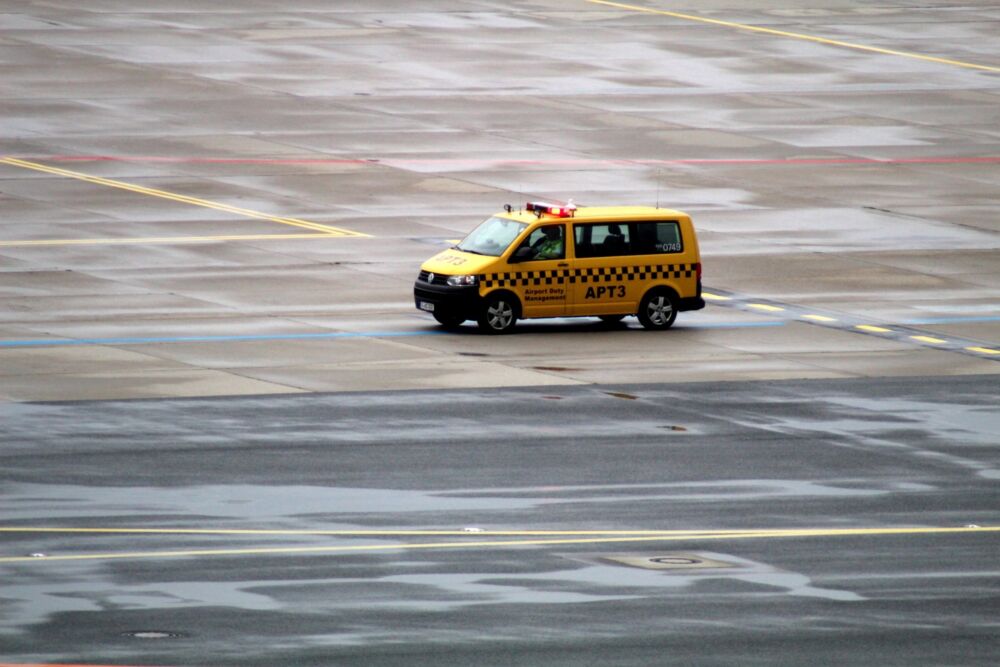
When subsidence threatens safety critical infrastructure such as airfields, operations must be halted due to safety considerations and strict restrictions. Large-scale disruption causes asset downtime, contributing to widespread delays and revenue losses for airports and airlines. Here, Richard Holmes, director at geotechnical expert Geobear, explores how advanced ground engineering solutions minimise disruption while alleviating time pressure on contractors.
Airfield pavements such as runways, taxiways, and aprons are designed to be smooth, durable surfaces for aircraft and vehicles to use continually. Adhering to strict geometry, load, and friction requirements, pavements are subjected to stress from aircraft load, fuel spills, and environmental conditions.
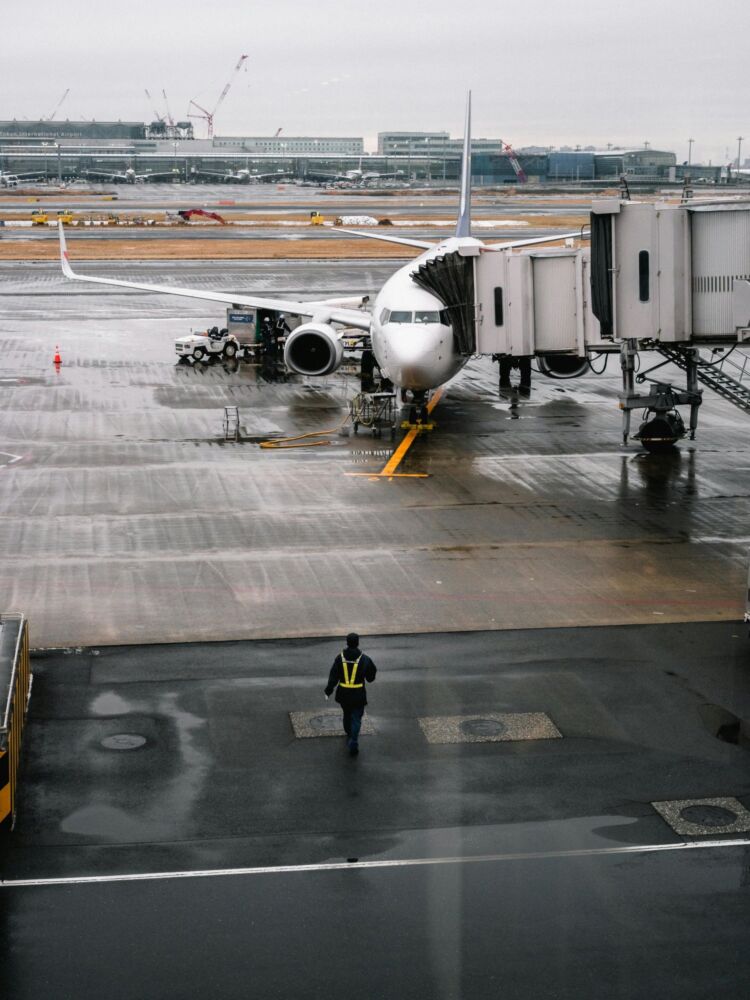
These stresses weaken airfields and if left untreated, pavements can experience subgrade weakening and settlement, surface degradation, and water drainage deficiencies. Contractors tasked with remediating these issues must adhere to strict safety guidelines and project timelines set by airfield management.
Traditional options for airfield remediation
Airfield remediation is traditionally addressed with large-scale ground engineering techniques such as cementitious grouting or excavation and fill, which removes affected areas or weak ground and replaces them with concrete.
This excavation requires heavy plant and large on-site teams, resulting in airfield closure amid strict safety requirements. Operations in passenger and freight flights are cancelled during project timelines, leading to significant asset downtime and revenue loss. This leaves contractors’ agreed project timelines vulnerable to even small disruptions or setbacks.
Limiting downtime with non-invasive Geobear remediation
To minimise the impact on airfield operations, contractors are turning towards alternative ground strengthening methods that will allow contractors to keep projects on track and avoid payment deductions for running past timelines.
Geobear solutions, using geopolymer resin injections, provide a minimally invasive method to mitigate delays and the costly downtime of traditional remediation. A designed engineered solution whereby a specialist expansive geopolymer is introduced beneath the existing slab can strengthen weak foundations and lift sunken slabs. The material hardens once injected, strengthening the area and enabling the site to be returned to use almost immediately.
This rapid remediation approach can be implemented overnight when a runway or taxiway is out of use and handed back the following morning. This ensures operations are unaffected and the asset can be strengthened for continued uninterrupted operations.
Minimising delays at a major UK airport
At a major UK airport, weak subgrade and drainage-related erosion created settlement in airfield pavement slabs. In some areas, settlement reached 50 mm, creating risks to aircraft taxiing between runways and stands. Geobear designed a solution that required a grid of injection points across affected slabs, and material injected beneath the slab base level.
During injections, Geobear’s specialist geopolymer resin expanded up to five times times its initial volume, displacing water, filling voids, and reestablishing slab support. The project restored tolerances and relevelled the slab to its datum level and achieved a 46 per cent lower carbon footprint compared to concrete slab excavation and replacement. The team completed geopolymer injections across seven nightshifts, minimising operational disruption on airfield traffic.
Geobear solutions are applied to a variety of challenging ground remediation issues, assisting contractors to stay aligned with project timelines and alleviating excessive delays and asset downtime.
To learn more about common airfield pavement failures and how Geobear can help, visit the website here.