
RML Group’s Head of Powertrain, Denis Gorman, believes that the UK is entering a new era of high-performance hybrid engineering — one that could reinforce Britain’s position as a global centre for advanced automotive technology.
Hybrid technology was once viewed as simply a transitionary step between internal combustion engines and full battery electrification. Yet, as the automotive market evolves, a different picture is emerging at the top end of the industry. Increasingly, sophisticated hybrid powertrains are becoming the architecture of choice for hypercars, low-volume performance vehicles and specialist OEM programmes.
While analysts continue to forecast a gradual long-term shift toward battery electric vehicles (BEVs), demand for advanced hybrid systems remains particularly strong within the high-performance sector. At RML Group, we are preparing to increase production capacity for our immersion-cooled battery packs, which are specifically engineered to work alongside high-output internal combustion engines.
This reflects a wider trend within the automotive sector. Whilst mainstream manufacturers are continuing a transition toward BEVs, many are increasingly looking to hybridisation to achieve power, efficiency and driver engagement. Over the past 12 months, enquiries for our battery technology have almost doubled, with strong momentum expected to continue. The technology has already been adopted by manufacturers from compact city cars to hypercars
This is an area where UK engineering expertise continues to excel. Our pioneering research work, in collaboration with major lubricant manufacturers, has enabled us to use temperature analysis, fluid management, CFD and battery architecture to derive the maximum performance from commercially available cells.
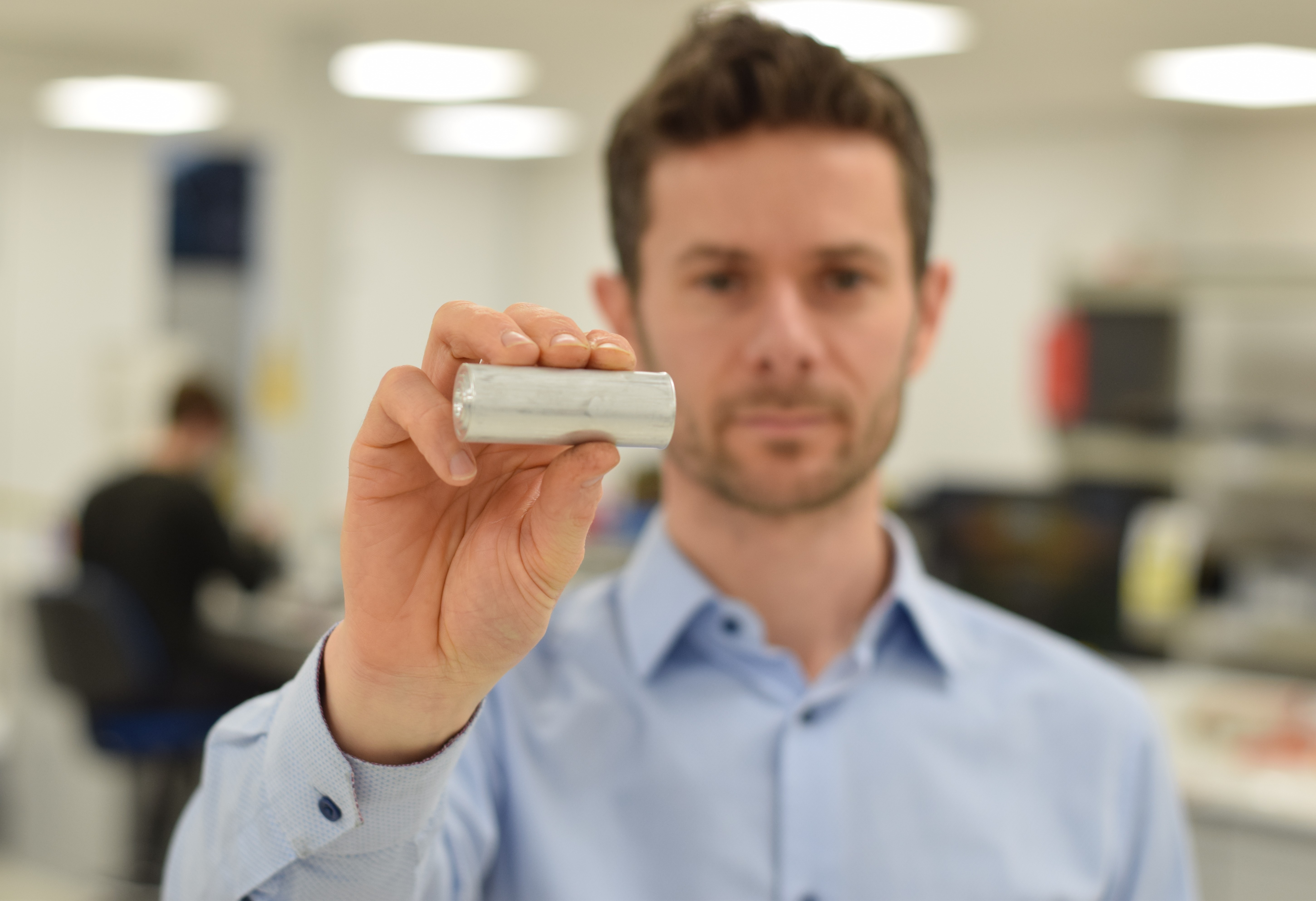
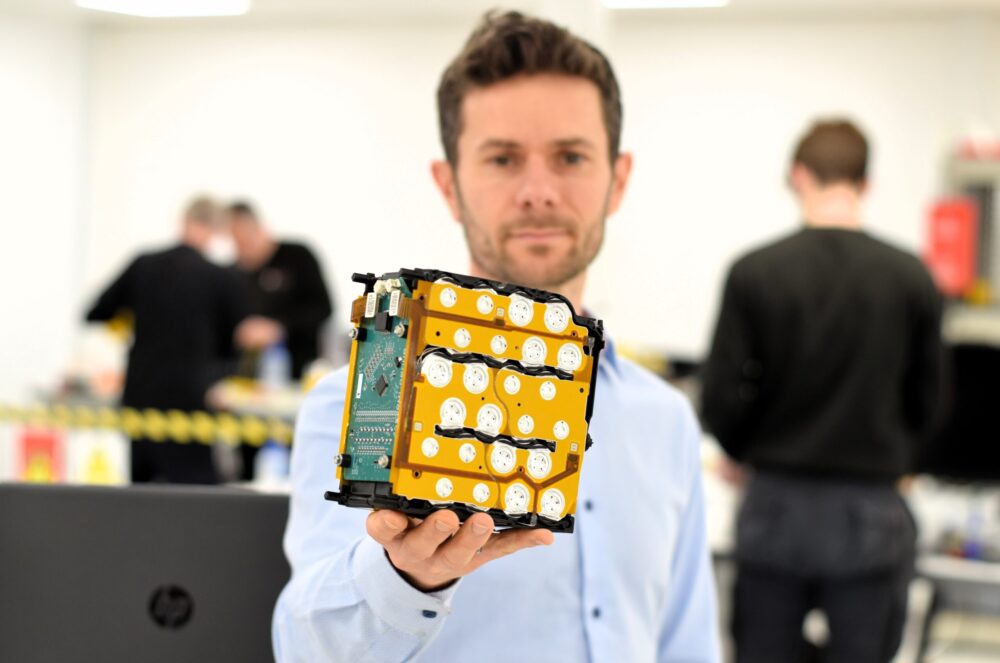
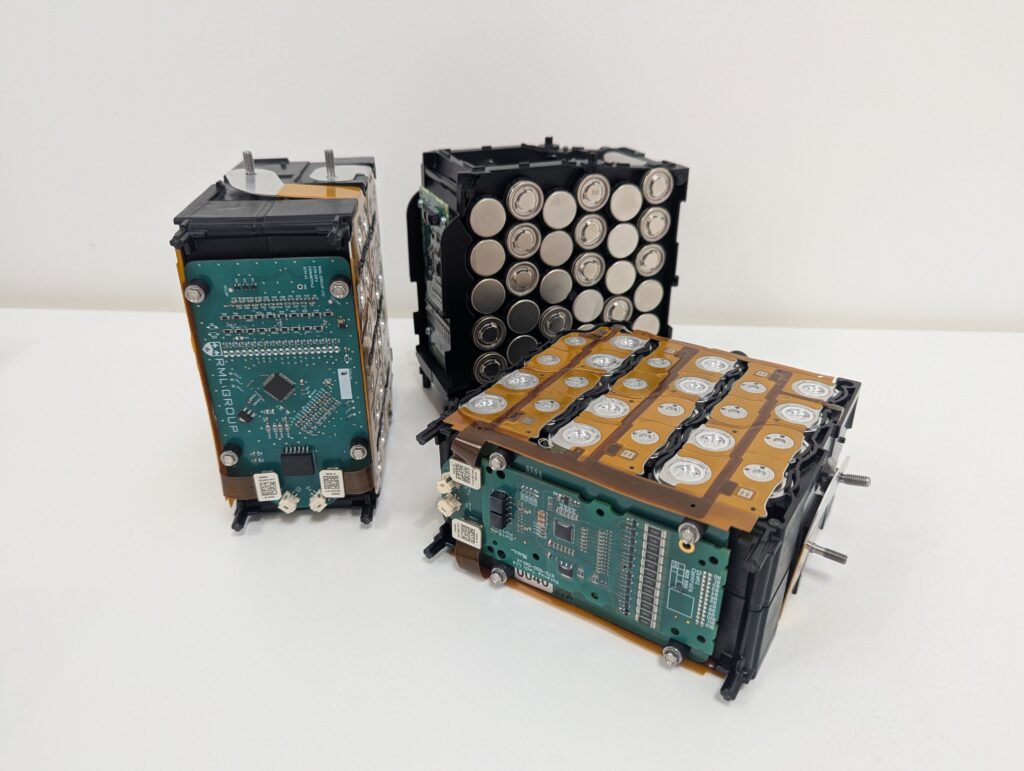
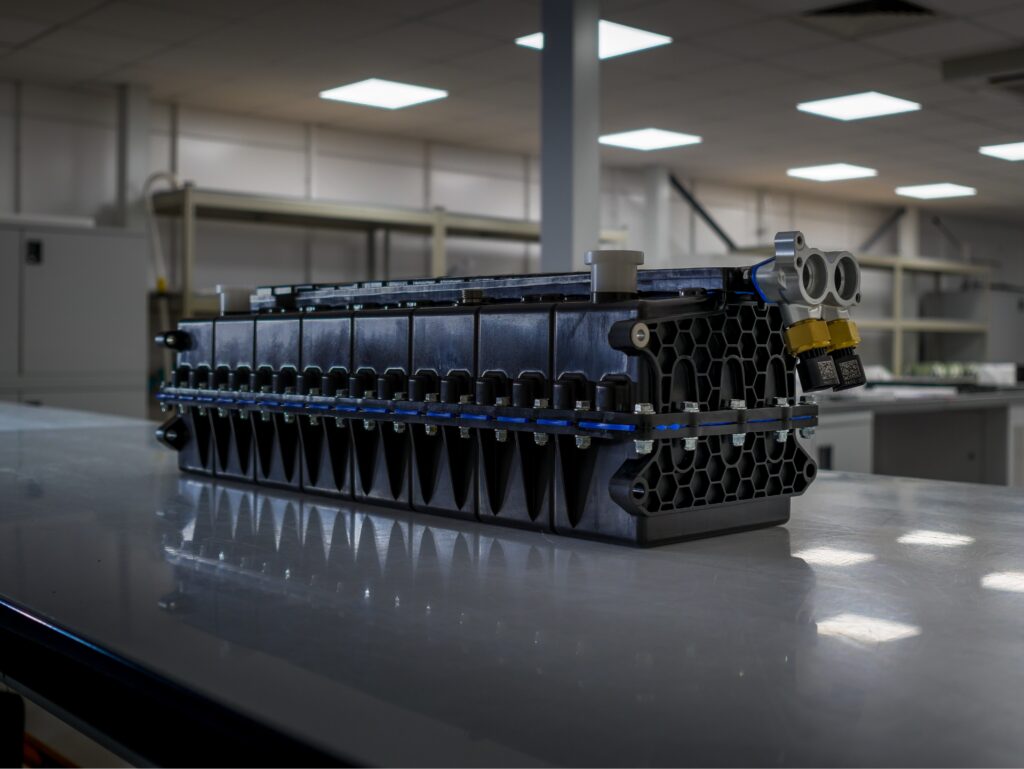
RML’s VarEVolt batteries, now used across several high-performance applications, represent one example of this capability. In its hypercar configuration, it ranks among the most power dense packs currently on the road, with 400kW extracted from a 70kg unit. With a peak charge and discharge rate of 200C, the modular system is designed specifically for hybrid hypercars and other demanding applications. The modular lineup suits a range of applications, something that is particularly attractive for low-volume manufacturers and special vehicle operations, where engineering ambition must often be balanced against tight development budgets and compressed programme timelines.
Importantly for vehicle manufacturers, the technology has achieved UNECE R100 Conformity of Production approval, providing confidence for manufacturers looking for a safe product.
The UK has long been recognised for its strengths in motorsport, niche vehicle engineering and advanced propulsion development. Today, that expertise is helping to create a new generation of hybrid systems that deliver exceptional performance, while meeting increasingly demanding efficiency and emissions targets.
Significant progress is undoubtedly being made in the pure EV space. However, beneath the headlines, British engineers are continuing to push the boundaries of hybrid technology, turning what was once considered a compromise solution into one of the most exciting areas of modern automotive engineering.
For more information about RML Group, or its VarEVolt battery technology, visit www.rmlgroup.com.