
In virtually every workplace, first aid is a vital part of daily life. Accidents, big and small, happen all the time even with proper precautions in place. Cuts, burns, fractures, eye injuries, and even cardiac arrest can happen at any time.
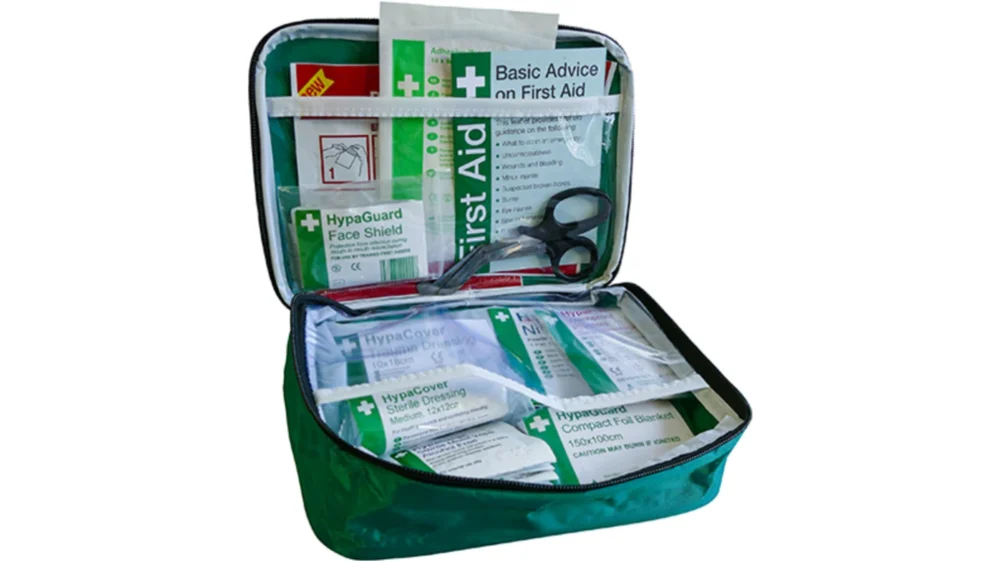
Having first aid kits from RS on hand is essential, but those only go so far when it comes to a safe job site. For that reason, it is vital that each employee be trained with certain first aid skills to ensure preparedness, shorter response times, and the reduction of potential long-term consequences from injury.
Wound Care
One of the most basic first aid treatment tips is learning how to care for a variety of wounds. Lacerations, cuts, and even amputations happen within a number of settings, particularly industrial businesses. Knowing how to properly clean and bandage a wound can help in a number of ways.
Acting quickly and properly treating a wound can reduce bleeding, prevent infection, and ultimately aid in the recovery process. Each worker should know how to inspect the depth of a wound, control bleeding using pressure, and when more advanced medical treatment may be required.
CPR
In the event that a co-worker collapses or suffers cardiac arrest, it is imperative to act quickly. Knowing cardiopulmonary resuscitation (CPR) is vital and can literally mean the difference between life and death on a job site.
CPR is essential because it can keep a person alive until more experienced, better trained professional help can arrive. In the instance of cardiac arrest, there is a very small window where action is effective. For that reason, CPR can be a vital piece of training that can save lives.
Sprain and Fracture Management
Falls and similar accidents happen all the time. Even just walking from Point A to Point B can see a fall happen and any number of injuries as a result. Twisted ankles, sprains, and broken bones are quite commonplace depending on the industry and workplace in question.
It is important to know how to immobilize injured limbs, apply temporary splints (if necessary), and to safely move the worker so as to reduce pain, prevent damage, and avoid any potential complications that may arise from that injury. Even seemingly innocuous treatment can wind up preventing serious damage down the line.
Burn Treatment
Burns are a bit less common depending on the workplace. For instance, in an office setting, you aren’t as likely to see a burn injury as you would working in an industrial plant. Regardless, burns can happen at any time from electricity, fire, or chemicals, and each of them requires a different kind of medical response to properly treat.
Workers most at risk for this type of injury should know how to treat things like cool thermal burns. In addition to using water, workers should know how to flush chemical burns, and how to properly address the severity of different burns. Quick action and treatment can help the long-term outcome, especially with serious burns.
Face and Eye Injury Treatment
Projectiles, chemicals, and debris could hit the face or eyes at any time, even in a seemingly “safe” setting. Knowing where the eye-wash stations and flush units are is vital to treating this type of injury.
Workers should know how to hold eyes open during flushing and when emergency care is required. Workplaces particularly at risk for eye injuries due to chemicals are required by OSHA to have suitable facilities for flushing or quick drenching. In the end, being properly informed and regularly practicing injury treatment can make a difference in the recovery process.