
For years, automation investment was largely driven by growth. Today, many manufacturers have a different priority: protecting margins.
The latest S&P Global Manufacturing PMI highlights the growing cost pressures facing UK manufacturers, with businesses reporting higher costs for raw materials, packaging, energy and transport and raising selling prices at the fastest rate since June 2022.
As a result, manufacturers are taking a fresh look at where efficiencies can be found and how technology investments can deliver greater value.
Against this backdrop, the conversation around automation is changing.
Historically, automation projects were often driven by growth. Manufacturers invested in new equipment to increase capacity, support expansion plans or respond to rising demand. While those objectives remain important, many businesses are now approaching automation from a different perspective.
Today, the focus is increasingly on improving efficiency, minimising losses and extracting greater value from existing operations. Rather than simply producing more, manufacturers are looking at how they can make better use of materials, labour, energy and production time without compromising output.
In today’s environment, protecting margins has become just as important as increasing production.
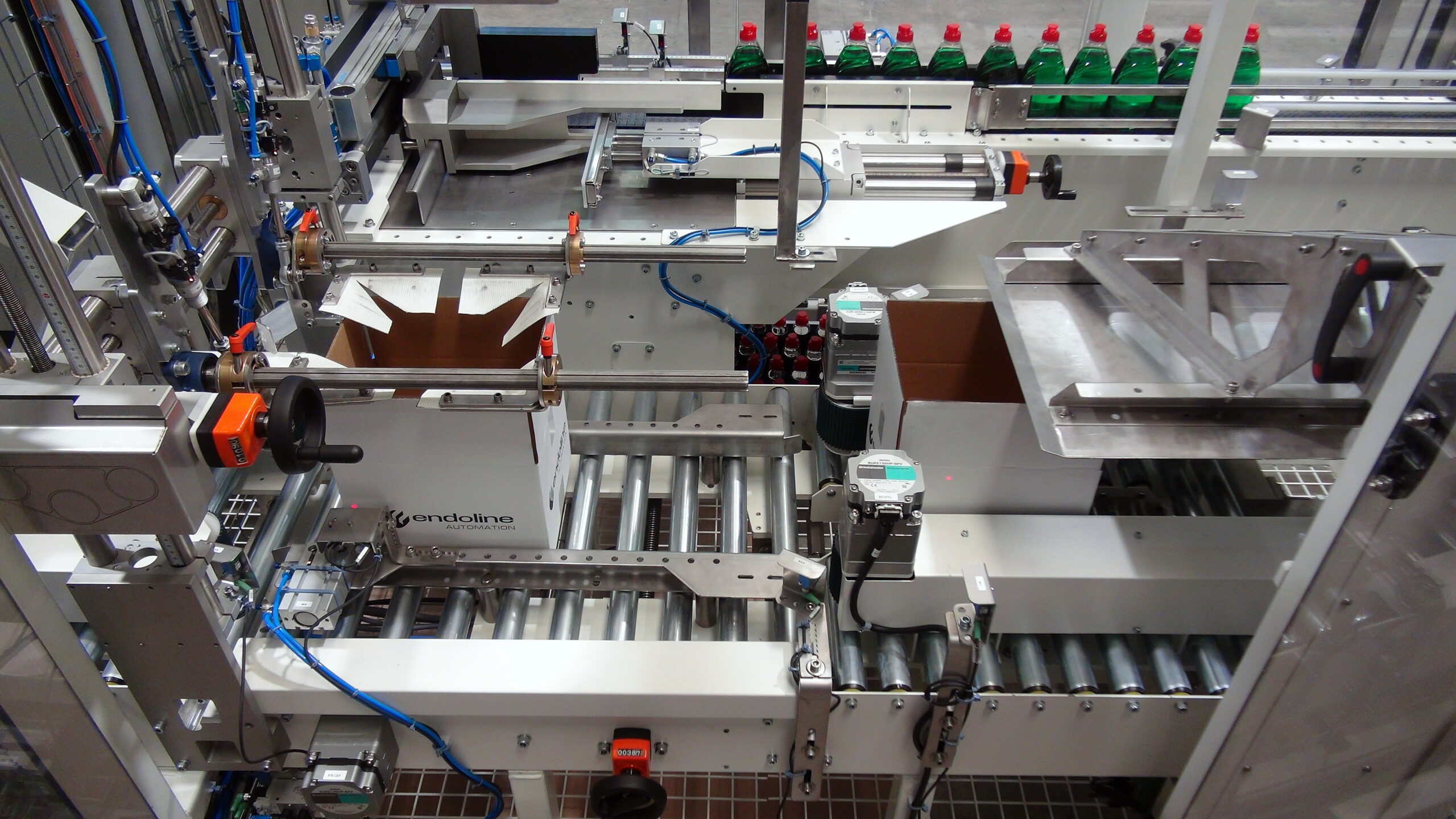
Manufacturers are increasingly focusing on packaging efficiency as a means of reducing waste, minimising downtime and improving overall operational performance.
Reducing Waste, Protecting Margins
For manufacturers, rising packaging costs bring particular challenges. Every damaged case, failed pack or production interruption carries a greater financial impact than it did a few years ago. When a packaging issue occurs, the cost is rarely limited to the carton or case itself. Product can be lost, production can be delayed, and valuable operator time can be diverted to rework and troubleshooting.
In food manufacturing environments, a damaged case or failed pack can also result in perfectly good product being discarded, creating additional cost and avoidable waste. At a time when businesses are under increasing pressure to improve both profitability and sustainability, reducing these inefficiencies is becoming a key operational priority.
As manufacturers look for opportunities to improve productivity without major changes to core production processes, packaging operations are increasingly coming under the spotlight.
End-of-line packaging is often one of the last areas manufacturers review when looking to improve efficiency. Yet it is frequently where some of the biggest opportunities exist. Small improvements in packaging performance can reduce downtime, minimise product and material losses, improve labour utilisation and increase overall line efficiency.
Packaging may be the final stage of production, but it can have a disproportionate impact on overall performance. A single bottleneck, stoppage or packaging failure can quickly ripple through the entire operation, affecting throughput, productivity, material usage and ultimately profitability.
As a result, many manufacturers are taking a closer look at how packaging processes perform and where improvements can be made. In many cases, the objective is not to produce more products, but to produce the same output more efficiently, more consistently and with fewer resources.
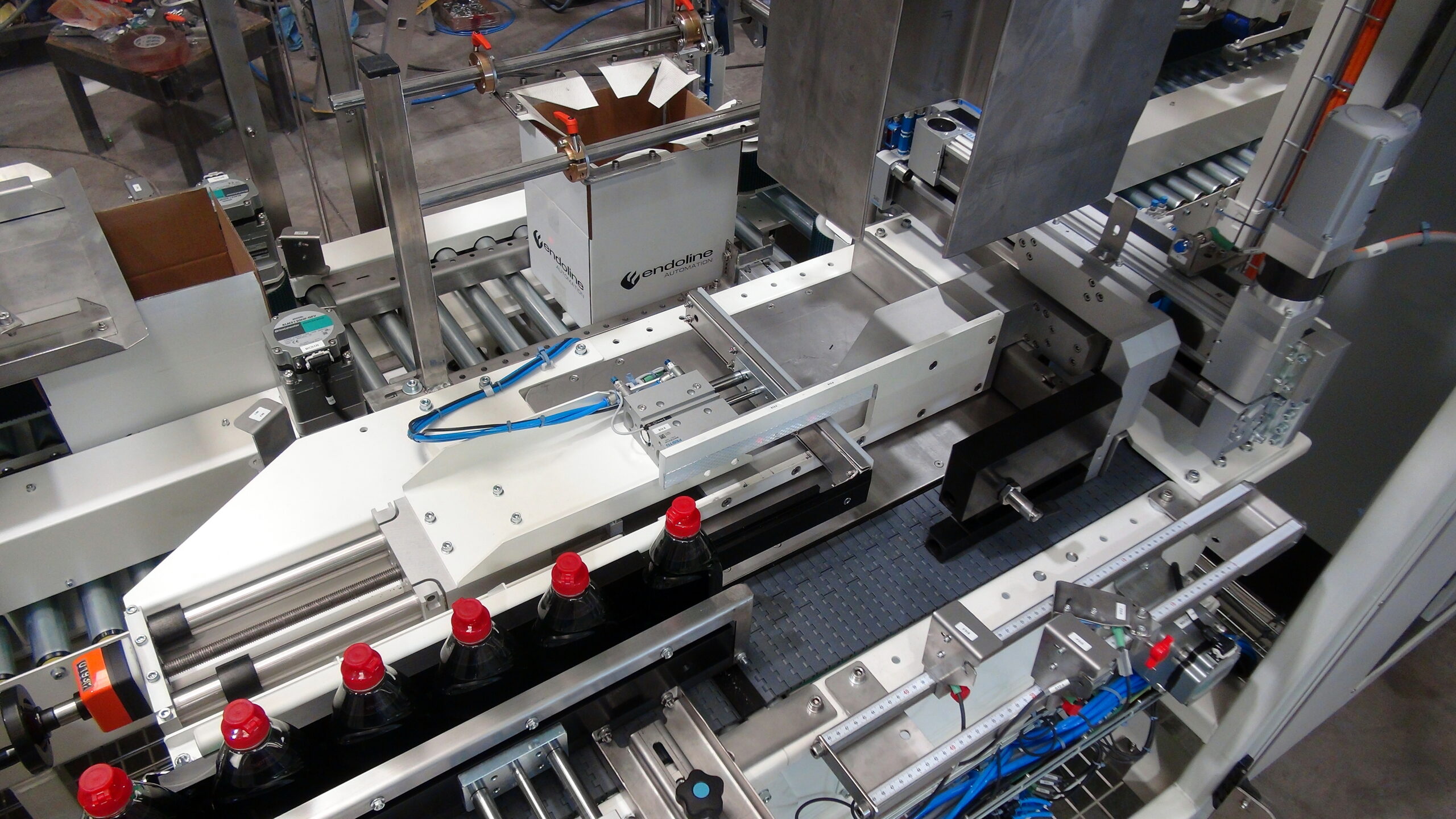
Reliable end-of-line automation can help manufacturers improve consistency, reduce material losses and create more resilient packaging operations.
Managing Growing Complexity
At the same time, manufacturers are facing increasing levels of packaging complexity.
Consumer demand, retailer requirements and the growth of e-commerce are driving greater product variation, shorter production runs and more frequent packaging changes.
They are increasingly managing multiple pack formats, pack sizes and distribution requirements, often within the same facility.
What was once considered an occasional changeover is now, for many businesses, a routine part of daily operations. This creates a challenge. Businesses need packaging systems that can adapt quickly without introducing additional complexity, downtime or inefficiencies.
As a result, automation projects are increasingly being evaluated on a broader set of criteria. Rather than focusing solely on maximum speed or output, manufacturers are placing greater emphasis on reliability, ease of operation, flexibility and long-term operational performance.
Building More Resilient Operations
As production environments become more complex, manufacturers are looking for packaging solutions that not only support current requirements but can also adapt to future demands. Investments in reliable, flexible end-of-line automation can help reduce waste, improve consistency and create the operational agility needed to respond to changing market conditions.
At the same time, labour challenges remain a consideration. Recruiting and retaining skilled employees continues to be difficult across several manufacturing sectors. While automation cannot solve every workforce challenge, it can help operators focus on higher-value activities, improve consistency and reduce the time spent managing avoidable disruptions and rework.
Ultimately, the most successful manufacturers are likely to be those that take a balanced approach. Growth will always matter, but in an environment characterised by cost pressures, labour challenges and operational uncertainty, resilience has become an equally important objective.
Automation has long been associated with increasing output. Increasingly, however, manufacturers are recognising its role in reducing material consumption, minimising product losses, improving consistency and helping businesses achieve both commercial and sustainability goals.
As the manufacturing landscape continues to evolve, the businesses that succeed will be those that can balance efficiency, flexibility and resilience while continuing to deliver the quality and performance their customers expect.

By Andrew Yates, Managing Director, Endoline Automation